


8 Tips to Help You Balance School and Riding

If you’re worried about how to balance schoolwork and horseback riding, you’re not alone.
Every September, riders swap long days at the barn for long days in the classroom. Homework replaces hacks, and student equestrians begin the school / horse balancing act, trying to make time for a time-consuming hobby and the responsibilities of school and life.
If you’re a student rider, whether you’re in elementary, high school, or college, these 8 top tips will help you balance school and horseback riding.
How Can You Balance School and Horseback Riding?
Start by knowing why both matter to you, then plan ahead and set consistent schedules for homework and rides so conflicts show up early. Cut down on procrastination by removing distractions, prioritizing what is due soonest, and using the barn as a reward, and schedule your own distraction time so breaks stay short. Use downtime at shows and in the car for quick review, ask your trainer, teachers, and family for help when the week gets heavy, and protect your sleep and rest days. Finally, stay flexible, because some weeks school will come first and some weeks your horse will, and that is fine.
The 8 Tips at a Glance
| Tip | What to do | Why it helps |
|---|---|---|
| 1. Know Your “Why” | Tie each task to a bigger goal. | Keeps you motivated when you’re tired. |
| 2. Plan Ahead | Track assignments and rides in a planner or app, and give teachers a heads up about shows. | Spots conflicts early and reduces stress. |
| 3. Set a Consistent Schedule | Set regular times for homework and for riding. | Clears your mind before you ride and makes the rest of life easier to schedule. |
| 4. Banish Procrastination | Eliminate distractions, prioritize, reward yourself, and schedule distraction time. | Keeps your studies on schedule. |
| 5. Make the Most of Downtime | Use car rides, show breaks, and waiting time for quick review. | Turns spare minutes into progress. |
| 6. Ask for Help and Communicate | Tell your trainer, teachers, and family what’s going on. | Gets you support before a busy week becomes overwhelming. |
| 7. Look After Yourself | Protect your sleep, eat properly, and take rest days. | Keeps you focused and helps prevent burnout. |
| 8. Stay Flexible and Keep Perspective | Adjust the plan when things change and revisit your “why.” | Keeps both school and riding going without aiming for perfect. |

1. Know Your “Why”
Balancing riding, schoolwork, and life isn’t easy - it takes dedication and motivation.
Before we talk about how to balance it all, it helps if you first understand why you’re doing it and what your goals are. Understanding why you’re doing something will inspire you to keep at it, even when it gets difficult.
As Mark Twain famously said, “a person who has a why can withstand any how.”
You probably know what you need to do (finish biology homework by Tuesday, get up early for a morning lesson on Saturday, for example), but what will inspire you to keep going is knowing why you’re doing something.
If you can associate an action with a goal, it will help motivate you to do it, even if you’re tired or really don’t feel like it.
So, let’s take those things you need to do and tie them back to a larger goal. For example:
What: “I need to finish my biology homework by Tuesday.”
Why: “I want to get into a top-ranked college veterinary program (goal), so I’m going to make sure my bio homework is ready by Tuesday (action).”
What: “I need to wake up at 6:30 am on Saturday for a riding lesson.”
Why: “I want to finish in the top 3 of my division this year (goal), so I’m taking extra lessons to improve my riding (action).”
The thought of getting into a great college and being division champ is much more inspiring than the thought of homework and early mornings.
2. Plan Ahead
Planning ahead helps you see potential conflicts before they become issues.
For example, if you have three big tests in 1 week, that’s probably not a good time to enroll in a coaching clinic or volunteer to muck stalls at the barn. It might be better to opt for a hack instead of a lesson or make arrangements for a friend to exercise your horse if you’re going to be busy that week.
Likewise, if you have horse shows or other major events already planned, you can give your teachers a heads up about missed classes or let them know if you’ll need an extension to complete assignments. They may not always be able to accommodate you, but they’ll appreciate the heads up.
Planning ahead is also critical for reducing your stress, too. The last thing you need is to come home from the barn Sunday evening and realize you have a huge paper due Monday morning that you totally forgot about.
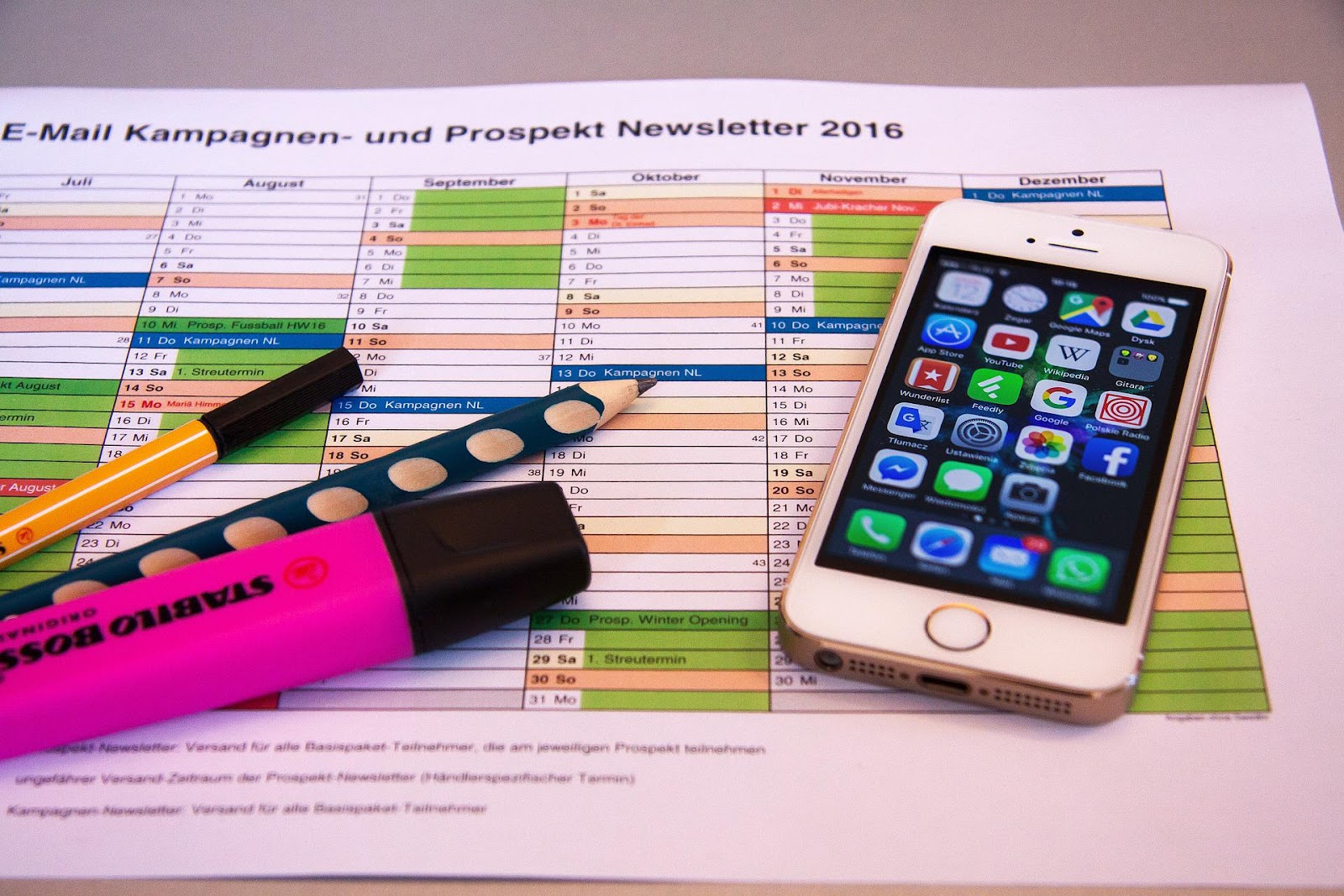
Use a day planner, agenda, or app to track your assignments and riding lessons.

If you just need help staying on track with homework, an app like myHomework planner can help you stay on top of your assignments.
Or opt for an app like Todoist, a time and task management app that isn’t strictly for students but is great at scheduling other life commitments, like riding lessons and social events.
For more apps horsepeople love, check out Equinavia’s 9 Best Mobile Apps for Equestrians.
The more you plan, the less likely you will be caught off guard by “last minute” schoolwork.
3. Set a Consistent Schedule
You have a class schedule, so why not a homework one, too? Setting aside even 60-90 minutes after school to do homework while you’re still in “school mode” can help you get a lot done.
An added bonus: knowing you’ve made progress can help clear your mind before you ride, so you can focus on your horse and not worry about all the work waiting for you at home.
If you own or part board, try to schedule your practice rides for a consistent day and time too, if your barn doesn’t already do this.
Not only does a consistent schedule make the horse’s life easier, but it makes scheduling the rest of your life easier. If you know you always hack Tuesdays from 6-7:30, you can schedule appointments or social events around that time.
Oddly enough, this same rule applies to distractions, too (more on that below).
4. Banish Procrastination
It’s easy to avoid procrastination if it’s something you enjoy doing (like going to the barn). But if it’s something that’s less exciting (like homework), it’s much easier just to procrastinate and delay the unpleasant task.
Help keep your studies on schedule by avoiding procrastination triggers that lure you away from the task at hand. Here are a few tips to help you avoid procrastination:
Eliminate Distractions
Do homework in a quiet place away from distractions. This could be a desk at home, or the backseat of Dad’s SUV at a show.
Set yourself up to win, so turn notifications off when it’s time to study or do homework. If you have to, leave your phone in another room so you’re not tempted to look at it.
Prioritize
It can be hard to know where to start when you have so many things to do. Combine your horsey and school to-do’s and set priorities based on urgency and due dates.
Choosing a lab partner for next week can probably wait until that dirty tack is clean, but you need to log some study hours before you can go shopping for a new lead rope.
Reward Yourself
Balancing horseback riding and schoolwork can be challenging, so ensure you’re rewarding yourself for a job well done. Using the barn as a reward is pretty effective! Just promise yourself that you don’t head to the barn until your homework is done.
Or use other rewards, like not watching that new episode until you’ve finished scrubbing the mud off your paddock boots or have finished your homework.

Schedule Distraction Time
Distractions aren’t always the enemy, as long as they happen on your terms. Instead of letting social media, texts, and video games sneak into your study time, give them a set slot in your day, like 30 minutes after homework and before dinner.
Just like a consistent homework schedule, a consistent break time helps you stay focused the rest of the time. When you know your scrolling time is coming, it’s much easier to ignore your phone while you study. Set a timer so a quick break doesn’t turn into an hour, and treat the time as a real break instead of something to feel guilty about.
5. Make the Most of Downtime
Student riders spend a lot of time waiting: in the car on the way to the barn (as a passenger, of course), between classes, at horse shows between rides, or while a lesson horse is being tacked up. Those gaps add up.
Keep a small stash of quick tasks ready for them, like flashcards, reading assignments, or a few practice problems. Even 15 minutes of review while you wait for your next class at a show can lighten the load when you get home.
You can even mix the two. Run through your notes in your head while you groom, or review vocabulary while you walk your horse to cool him out. Just keep your attention on your horse whenever you’re handling him, and save anything that needs real concentration for when you can sit down.
6. Ask for Help and Communicate
You don’t have to juggle everything on your own. The people around you can make a big difference if they know what’s going on.
Talk to your trainer about your school schedule, especially around exam season, so lessons can be planned around it. Let your teachers know ahead of time about shows or other commitments. At home, parents may be able to help with rides, carpools, or barn chores during crunch weeks. And if a friend at the barn is also a student, you can study together or help each other out when one of you has a big deadline.
Asking for help isn’t a sign that you can’t handle it. It’s what keeps you from burning out.
7. Look After Yourself
It’s easy to run yourself ragged when your days are split between the classroom and the barn. Early mornings, late nights, and skipped meals will catch up with you, and a tired rider doesn’t ride or study very well.
Protect your sleep as much as you can, and try to eat properly instead of living on snacks in the car. Build in a rest day when you can, too. Both you and your horse benefit from a break, and you’ll come back more focused. If you’re feeling overwhelmed, talk to someone you trust, like a parent, teacher, or trainer.
8. Stay Flexible and Keep Perspective
Even the best plan will get thrown off now and then. A sick horse, a surprise quiz, or a lesson that gets cancelled can upend a carefully organized week. That’s normal.
When it happens, adjust instead of giving up. Some weeks school will need more of your time, and in others riding will take priority, and that’s okay. Check in with your “why” whenever things feel heavy, and remember that the goal is to keep both going, not to do either one perfectly.
Conclusion
Balancing school and riding takes planning, discipline, and a bit of grace with yourself. Start with your why, plan ahead, build routines, keep distractions in check, and lean on the people around you when the week gets busy. Do that, and you can give both your studies and your horse the attention they deserve.


