


Equine Lameness: What It Is and How to Prevent It

Lameness. It strikes fear in the hearts of horsepeople everywhere, keeps grooms and owners up at night, and keeps vets busy. Having a horse come up lame is often a painful, expensive, and thoroughly disheartening experience. Lameness is the #1 cause of loss of use in horses.
While there is no 100% foolproof way to ensure your horse never, ever comes up lame, the good news is there is a lot we can do to reduce the likelihood of a horse going lame. It starts with understanding what lameness is, how to tell if a horse is lame, and understanding what causes lameness and how to prevent it.
What Does It Mean When a Horse Is Lame?
"Lameness" is a catchall term used to describe any type of abnormality in a horse's gait, most often due to pain in a limb. The opposite of being lame is being sound.
Lameness can range from mild – an extremely subtle, hard to detect low-grade discomfort, to severe – like an obvious limp or inability to move.
Lameness can also be chronic – like an older horse who takes shorter strides to compensate for the stiffness of arthritis, or acute – like a competition horse who spends three weeks on stall rest while an abscess clears up.

How to Tell if a Horse is Lame
Because lameness is a change in the horse's normal way of going, the best way to spot lameness is to be familiar with how the horse moves and acts and then notice and investigate any changes.
That's a lot easier said than done though, so here are a few signs that something may be amiss with your horse:
Signs of Lameness
- Head nod or head high, moving above the bit
- Stumbling or toe dragging
- Personality changes, like pinning ears or becoming aggressive
- Change in transitions; resisting or rushing transitions
- Reluctant to move forward
- Crookedness, asymmetrical shoulders or hindquarters
- Inconsistent, poor quality canter or difficulty picking up one lead
- Running out or refusing fences
- Exaggerated change in gait when moving from soft to hard footing
- A leg that doesn't move as far forward as the other one
- Heat, swelling, tenderness, or other signs of injury
- Back soreness or stiffness, which can indicate lameness elsewhere in the body
Most lamenesses are more pronounced and easier to diagnose at the trot than the walk or canter. If you suspect a horse is lame, you'll likely be asked to trot the horse in a straight line for the trainer or vet.
If you suspect your horse is lame, you'll need to consult an expert. This could be your trainer or coach first, then likely your farrier or vet, who may perform a lameness exam.

Lameness Exam
The first step of the lameness exam is giving your vet a thorough history of why you suspect your horse is lame, what you've noticed, and when it started happening. Be sure to mention anything new or out of the ordinary, like starting jumping training or a recent competition.
Next, the vet will examine your horse while he's standing still. The vet will be looking at conformation, as well as checking for signs of injury like heat or swelling.
No lameness exam is complete without the horse trotting – the gait at which lameness is most easily detected, thanks to its easy 2-beat rhythm. Trot your horse on a loose lead rope towards and away from the vet, keeping the horse straight but without impeding or changing his movement.
Your vet will likely perform a flexion test next. This involves putting a specific joint, such as the shoulder, hock, or knee under flexion for a period of time (usually about a minute), releasing the bend, and immediately trotting the horse. Any soreness will be exacerbated at the trot after the joint has held flexion, making lameness easier to see.
Because many lamenesses start in the foot, hoof testers (a large prong tool that applies pressure to specific points on the foot) can help to pinpoint sore spots. Your vet may perform this, or you can also ask your farrier, who will know the most about your horse's feet.
Depending on the results of these tests (and your budget), the vet may recommend nerve & joint blocks or medical imaging.
Nerve blocks (AKA diagnostic anesthesia) temporarily "block" the nerves to a joint or other suspect area. The horse is trotted before and after the block – if he trots normally after the block, the exact site of the lameness is determined.
Medical imaging includes techniques like radiography (x-rays for viewing bones), ultrasound (for viewing tendons, ligaments, and soft tissue), to MRIs, and CT scans for complex diagnoses.

Front End Lameness
Most, but not all, lameness cases in horses occur in the front legs. This makes sense, considering horses carry most of their weight on the forehand. Most forehand lamenesses originate from pain in the hoof.
Front end lamenesses are generally much easier to recognize and diagnose than hind-end lameness.
Most cases of forelimb lameness are caught not because of how the horse is using his front legs, but because of how he's carrying his head – an abnormal head bob or nod is a common indicator of a front end problem, with the horse usually putting his head up when the sore foot touches the ground, and down when the sound foot touches the ground.
A helpful way to remember is "down on sound" – the horse's head will drop down to its normal position as the sound foot touches the ground, and he'll lift his head back up to try and take some weight off his sore, unsound foot.
Hind End Lameness
Hind end lamenesses are more challenging to diagnose properly, even for experienced horse people. Hind leg lameness is often very subtle, expressed by minor changes like one leg that doesn't move forward quite so far as the other, or a slight occasional toe drag, instead of an obvious limp or head bob as you might see in front leg lameness.
Because there's so much muscle in a horse's hind end, it's hard to see and feel the deeper joints and tissues, including when using medical imaging like ultrasounds and radiographs.

To help spot hind leg lameness, check for a noticeable 'dip' on one side of the horse's hindquarters (this is best viewed when the horse is trotting away from you), or view him from the side and watch for one leg that doesn't move so far forward as the other one – there's a good chance that is the sore leg.
It's important, if not slightly counterintuitive, to remember that the apparent level of discomfort is not necessarily an indicator of the structural severity of the problem (although his pain is still very real). For instance, a horse may exhibit more obvious signs of lameness for an abscess that will heal in a week or two than he will for a career-ending sesamoid fracture.
Common Causes of Lameness in Horses
It feels like horses can come up lame out of nowhere, despite all our best efforts. While some horses never seem to put a foot wrong and live long, healthy, issue-free lives, other horses are plagued by constant injuries, issues, flare-ups, and chronic problems.
The cause of each lameness depends completely on the individual horse and situation. But here are some common causes of equine lameness:
Hoof Problems
Many cases of lameness originate in the horse's foot. While horses can suffer from dozens of foot problems, two common causes of acute lameness include hoof abscesses, bruises, and laminitis.

Abscesses
Abscesses occur when bacteria get trapped inside the hoof wall. Sand, glass, nails, stones, and other debris can all cause abscesses. Most abscess-causing bacteria enter just inside the hoof wall, where the wall meets the sole, and environmental moisture changes can increase the likelihood of abscesses.
Sudden lameness accompanied by heat or a pulse in the foot is a sign of abscesses, and any puncture injury to the foot can cause an abscess later.
You can prevent abscesses due to injury by treating any puncture wound as an emergency- call the vet ASAP, don't remove the object causing the puncture (which could seal bacteria deep inside the hoof), and be prepared to soak the foot in a mixture of warm water and Epsom salts or iodine.
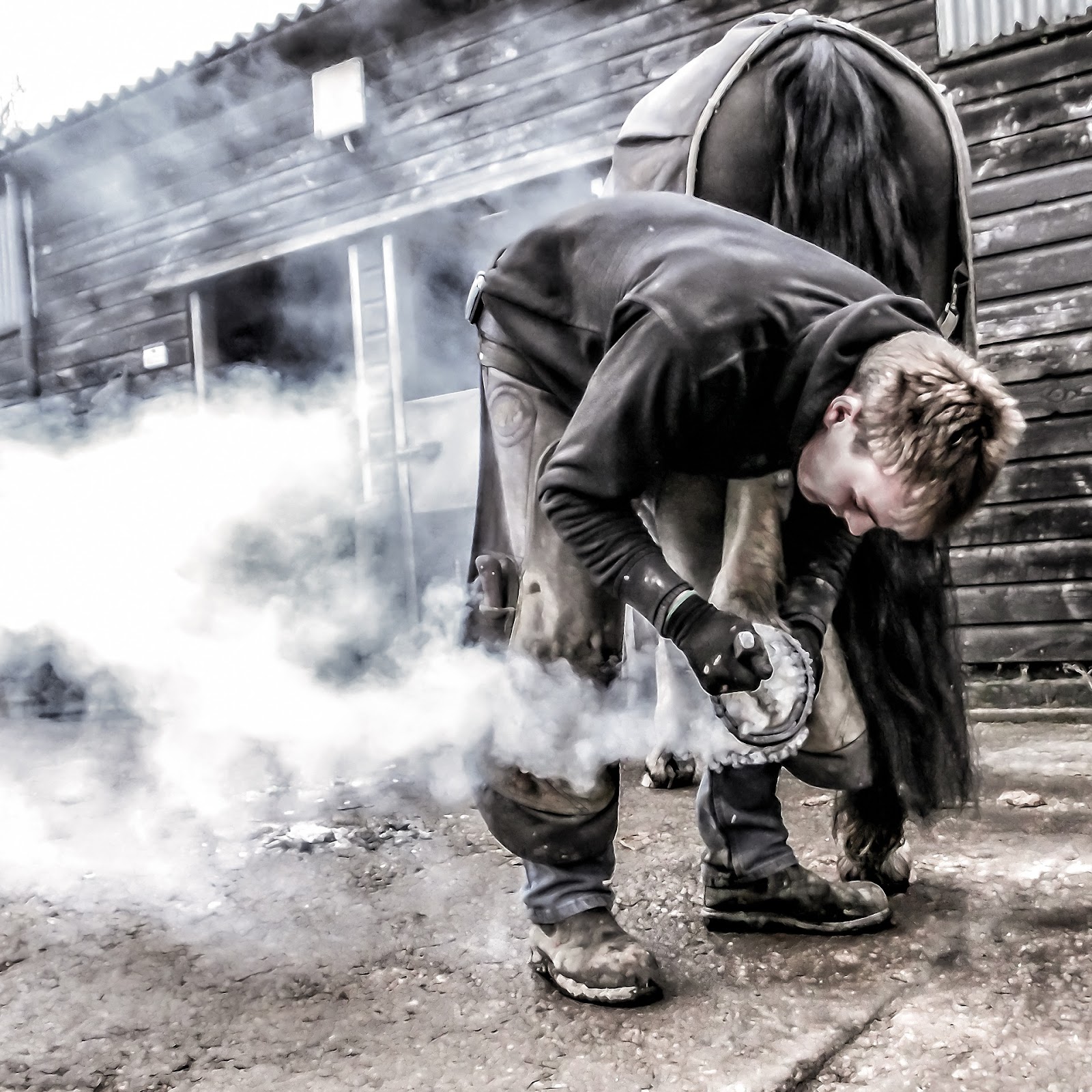
Treating abscesses needs to be done by a vet or farrier. Once the abscess is located, your farrier may pare away a drainage canal or remove parts of the hoof wall to release the pressure.
In the case of a deep abscess, your expert may advise waiting until it bursts out around to the coronary band (abscesses typically start at the bottom of the foot and move upwards), instead of removing huge chunks of hoof wall.
Bruises
Bruises are another common culprit behind sudden lameness. They develop when a horse steps on a hard or uneven surface, like a rock or frozen ground, and the impact damages the tissue beneath the sole or at the heel (often called a corn). Thin-soled horses and those working on rocky or hard terrain are especially prone to bruising.
A bruise usually shows up as a reddish or purplish discoloration on the sole, visible once a farrier pares back the area, along with heat and sensitivity to hoof testers over the bruised spot. Most bruises resolve with rest and protective boots or pads, though a severe bruise can develop into an abscess if bacteria get into the damaged tissue.
Laminitis
Laminitis is inflammation of the laminae, the tissue that connects the hoof wall to the coffin bone, and it's one of the more serious causes of lameness. Unlike an abscess or bruise, which usually affects a single foot, laminitis often affects both front feet at once, and in severe cases all four.
Horses with laminitis typically shift their weight back onto their heels, stand with their front feet camped out in front of them, and are reluctant to move, especially on hard or uneven ground. Common triggers include grain overload, rich spring grass, obesity and metabolic conditions like equine Cushing's disease (PPID) or equine metabolic syndrome, and retained placenta in postpartum mares.
Laminitis is a veterinary emergency. Call your vet immediately if you suspect it, since early treatment has a major impact on whether a horse recovers fully or develops chronic complications like a rotated or sunken coffin bone.
How to Prevent Lameness in Horses
While no horse is completely immune to lameness, a consistent routine built around good management can dramatically reduce the risk. Here's what makes the biggest difference:
- Regular farrier care. Keeping your horse on a consistent 4-6 week trimming or shoeing schedule prevents overgrown feet, imbalanced hoof angles, and the uneven loading that leads to many soft-tissue and joint problems.
- Daily hoof picking. Checking feet every day for stones, debris, thrush, or early signs of heat and sensitivity catches many problems before they turn into full-blown lameness.
- A gradual approach to fitness. Increasing training intensity, surface difficulty, or jump height too quickly is one of the most common causes of soft-tissue injury. Build fitness in gradual, consistent increments.
- Appropriate footing. Riding and turning out on consistent, well-maintained footing reduces the strain of sudden changes between hard and soft or uneven ground.
- Weight management. Keeping your horse at a healthy weight reduces the load on joints, tendons, and the laminae, lowering the risk of both orthopedic injury and laminitis.
- Controlled access to rich grass and grain. Introducing spring grass gradually and avoiding grain overload helps prevent metabolic triggers for laminitis.
- Routine veterinary and dental care. Regular checkups can catch early conformation, soundness, or metabolic issues before they progress.
None of this guarantees a horse will never go lame, but it stacks the odds firmly in your favor, and catching changes early is always easier to manage than catching up after a serious injury.


