


The Complete Guide to Horse Clipping

Clipping your horse isn’t just a great way to keep him looking his best: it helps prevent overheating during exercise, especially in the fall and winter, when even stabled horses can grow a shaggy winter coat.
Clipping helps a horse to regulate their body temperature, meaning he can exercise safely and more comfortably. If you compete, it keeps him looking sharp for those Fall Classic shows and makes upkeep faster and easier year-round.
However, not every horse needs to be clipped (and not every horse likes being clipped, either!). Maintaining a horse’s clip, just like maintaining a haircut, takes time, and money.
So how do you know if you even need to clip your horse?
What's the Short Version on Clipping a Horse?
Clip if your horse works up a sweat in a heavy winter coat, has Cushing's and can't shed naturally, or needs to look sharp for the show ring, and skip it if he lives outside full-time or is sick, pregnant, or injured. Which clip to use depends on workload: a bib or trace clip suits light to moderate work, a blanket or hunter clip suits horses in heavier work, and a full body clip suits competition horses or those managing Cushing's symptoms. Start clipping once the winter coat grows in, usually October or November, and expect to re-clip every 3 to 5 weeks until hair growth slows after the holidays. Whatever clip you choose, a clipped horse almost always needs blanketing when he's out in the cold, since he's lost his natural protection against the elements.
When to Clip a Horse
You might decide to clip your horse for a variety of reasons. If any of these situations apply to you, you may want to consider clipping your horse.
Keep a Horse Cool During Exercise
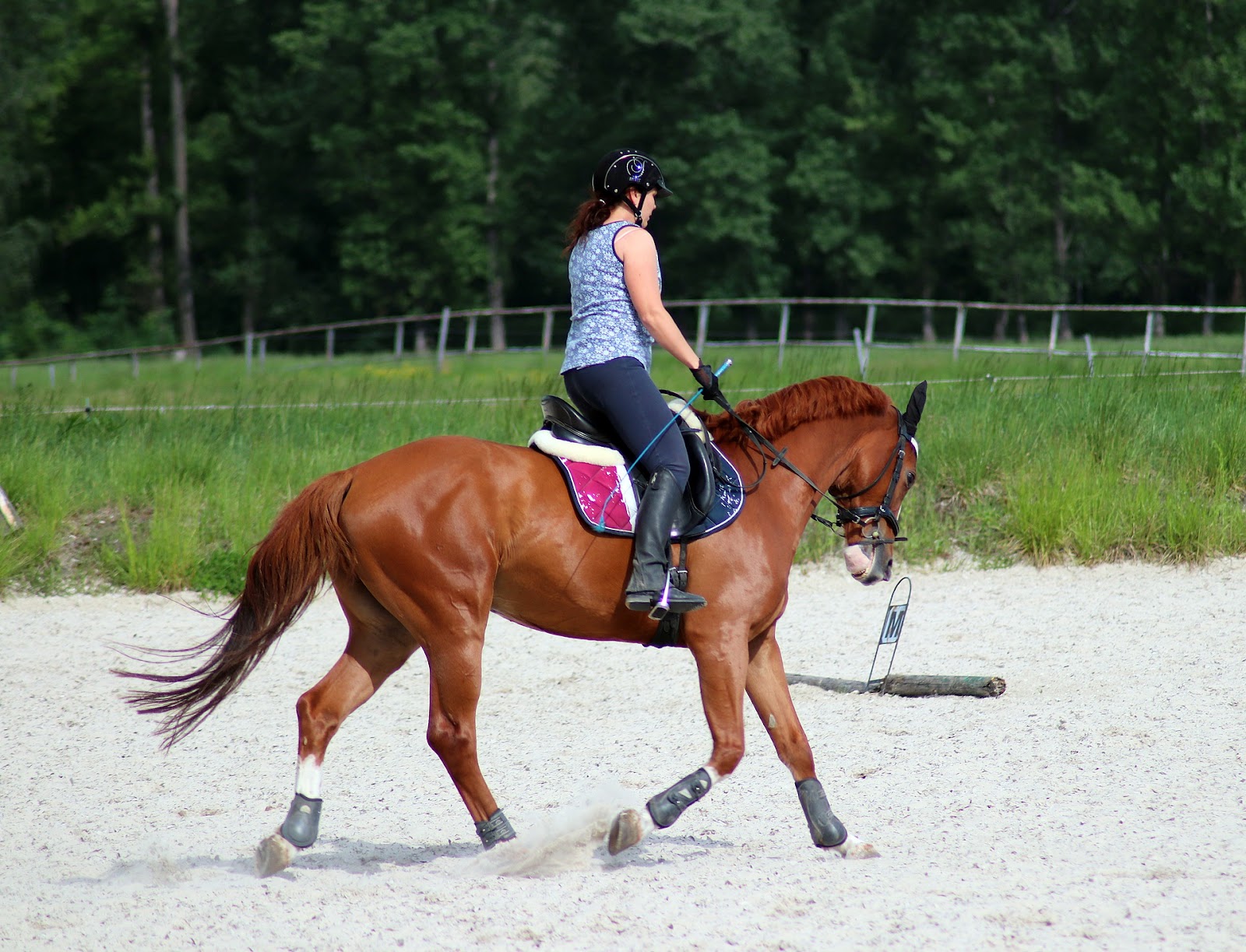
Helping to keep a horse cool during exercise is the most common reason for clipping a horse, especially in Northern climates where the mercury dips below zero, but horses still need to be ridden and exercised.
Common “keep cool” clips include bib, blanket, and trace clips (more on those below), or even a full body clip for competition horses.
Help with Cushing's Symptoms
1 in 5 horses over 15 suffer from Cushing's (pituitary pars intermedia dysfunction, or PPID), a metabolic disorder that can prevent a horse from shedding its winter coat, among many other side effects.
Horses with Cushing's may need an annual full-body clip every spring to remove the winter coat they’re unable to shed to help them stay more comfortable year round.
Keep a Glossy Coat
Clipping just before summer encourages the hair to grow back again even shinier and healthier, like how trimming split ends helps human hair grow long and healthy.
This is a great trick for helping show horses stay shiny and sharp-looking for summer shows.
Save Time
If your horse is being ridden daily, brushing out a winter coat can add hours a week to your grooming routine, plus extra time to cool him down after exercise.
Clipping can help cut down on grooming time and also cut down on sweating by helping the horse better regulate his body temperature while working.
When NOT to Clip a Horse
If your horse spends all or most of his time outside, it’s best to leave this coat as natural as possible.
Most horses, especially those in colder climates, grow longer coats in the fall and winter. These natural coats do a great job but once a horse is clipped, he loses his protection against the elements.
A clipped horse usually needs to be blanketed depending on his body condition, dietary intake, coat length, temperature, and conditions. If it gets cold where you live, you’ll almost certainly need to blanket your horse when he’s outside.
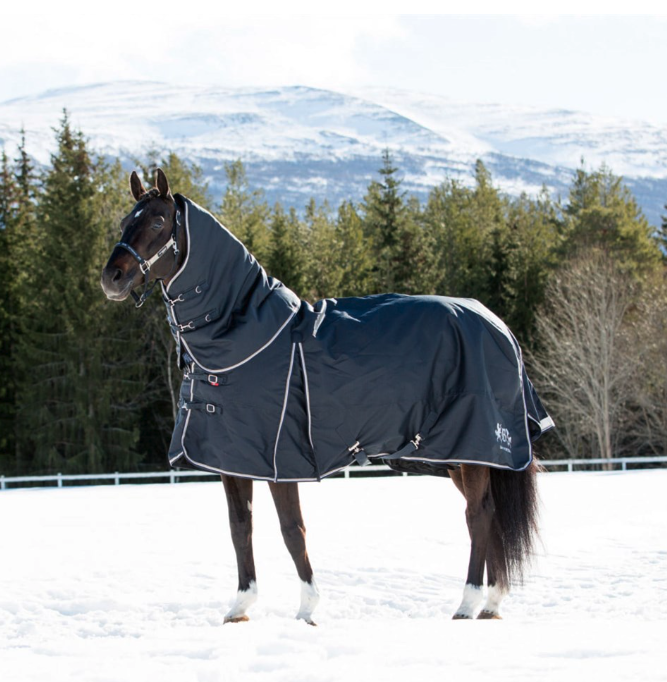
If he spends most of his time stabled, he may not need a blanket unless it’s very cold or he gets sick, but ultimately it depends on the individual horse. If you’re not sure, a vet or trainer should be able to advise.
If the horse is sick, pregnant, or injured, clipping should be avoided as it can put additional stress on the horse's body and may even make the illness or injury worse.
Best Time of Year to Clip a Horse
The best time of year to clip a horse will depend on a few factors, such as the type of clip you choose and the climate you live in.
For example, if you live in a hot climate and choose a full-body clip, you'll likely need to clip them more often than if you live in a cold climate and choose a hunter clip.
For seasonal clipping, start once the cold weather coat starts to grow in (usually around October or November). Expect to re-clip every 3-5 weeks, depending on hair growth. After the holidays, hair growth slows, and re-clipping may not be needed.
Talk to your veterinarian or a professional horse groomer to get specific recommendations for when is the best time of year to clip your horse.
Types of Horse Clips
So your horse needs a haircut. How do you choose the most practical clip to best suit their needs?
Here’s a rundown of the most common types of clips, and when to choose them.
Remember that these are just guidelines - the perfect clip for your horse depends on his body condition, coat, and workload. A professional groomer can help find the perfect style if you’re not sure.
We’ll start with the most minimal clips and move up to a full-body clip.
| Clip | What's removed | Best for |
|---|---|---|
| Bib Clip | Under the throat latch, down the bottom of the neck and chest, back to the girth area. | Low-maintenance cooling for horses in light to medium work, while keeping warmth at turnout. |
| Trace Clip | Neck, chest, and belly. Sides, back, and legs stay unclipped. | Easy-care fall and winter clip that keeps the horse warm while allowing cool-down after exercise. |
| Blanket Clip | Neck, chest, and belly, and partway up the sides. | Horses who need a bit more cooling out than a trace clip allows. |
| Hunter Clip | Neck, sides, chest, back, and belly. Legs and a saddle patch are left on. | Show ring or heavy-work horses, cuts grooming time while protecting the saddle area and legs. |
| Full Body Clip | Everything: legs, belly, neck, back, sides, and face. | Hot climates, a sleek show-ring look, or managing Cushing's symptoms. |
| Face Clip | Face and ears, muzzle whiskers generally left alone. | A polished look for competitions that call for it. |
| Bridle Path | An inch or two of mane immediately behind the forelock. | Any horse who wears a bridle, prevents the mane from tangling. |
Bib Clip
Hair is removed from just under the throat latch, down the bottom of the neck and chest, going as far back as the girth area.
This low-maintenance clip helps horses in low to medium work cool out quickly but still leaves enough coat to keep him warm at turnout.
Trace Clip
The trace clip is a very popular clipping style. With this type of clip, the horse's neck, chest, and belly are clipped, and most of the sides and back are left unclipped. The legs are also left unclipped.
This easy care clip is typically done in the fall or winter to help the horse stay warm during the colder months while still letting him cool down after exercise.
Blanket Clip
Similar to the trace clip, hair is removed from the neck, chest, and belly and partway up the horse’s sides - sort of like he’s wearing a small ‘blanket’ of long hair.
The blanket clip is great for horses who need a bit more cooling out than a trace clip allows.
Hunter Clip
With this type of clip, the horse's neck, sides, chest, back and belly are clipped. The only hair that’s left is on the legs and a patch under the saddle.
The hunter clip is a popular clip for horses in the show ring or heavy work as it cuts down on grooming time, keeps the horse looking clean and presentable while allowing some extra protection over the saddle area and the legs.
Full Body Clip
The full-body clip is the most extensive horse clipping style. With this type of clip, the entire horse is clipped. This includes the horse's legs, belly, neck, back, sides, and face.
If the rider wears spurs, it’s a good idea to leave a patch of hair where the rider’s heel will rest to give the horse a little extra protection against the metal spur.
This clipping style is a good choice for horse owners who live in hot climates. It can also be a good option for horse owners who want their horse to have a sleek show-ring appearance, or if helping a horse deal with the side effects of Cushings.
Face Clip
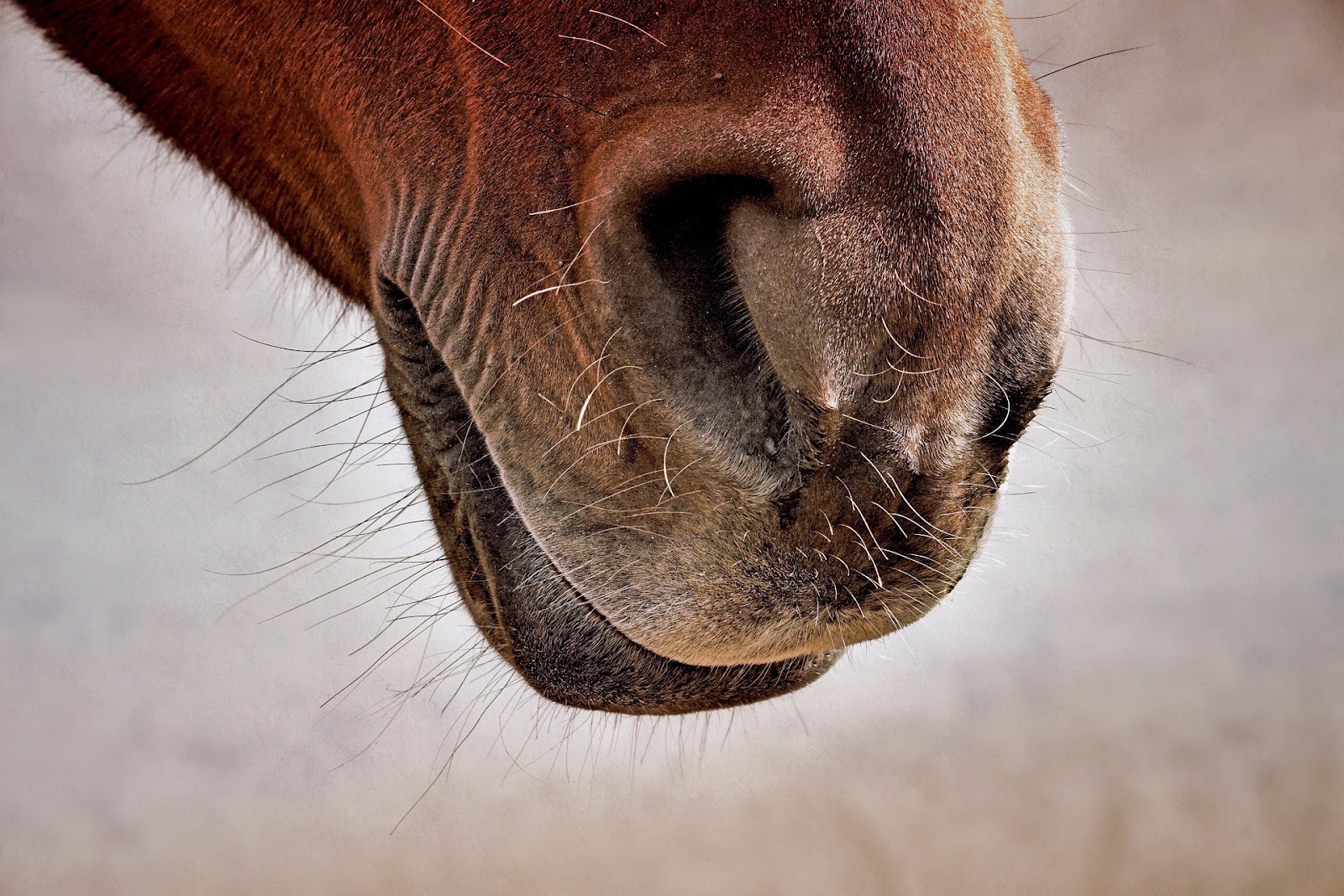
Most horses don’t enjoy having their face clipped, but in some competitions face and muzzle clipping is common to give a horse a really polished appearance.
It’s generally not advisable to clip a horse’s muzzle - their long whiskers are important for sensory perception and helping a horse sense things close to his muzzle.
When clipping a horse's face, be sure to go slowly and be careful not to clip too close to the horse's eyes or mouth. Here's a quick guide to horse face clipping:
- Start by clipping the horse's ears. Be sure to go slowly and be careful not to clip too close to the horse's skin.
To prevent clipped hair from falling into the ear canal, fold the ear in half lengthwise and run clippers along the folded edge.
- If clipping the muzzle, start at the horse's nose and work your way down the muzzle, avoiding the lips.
-Finish up by clipping around the horse's eyes. Again, go slowly and be careful. Avoid clipping the eyelashes or long hairs around the eye - these are used for close-quarters sensory perception like the whiskers. For a nervous horse, cup your hand over his eye to protect it.
Bridle Path
Just about any horse that wears a bridle will appreciate you clipping the bridle path. Just an inch or two of the mane is removed immediately behind the forelock to prevent the mane from getting tangled in the bridle.
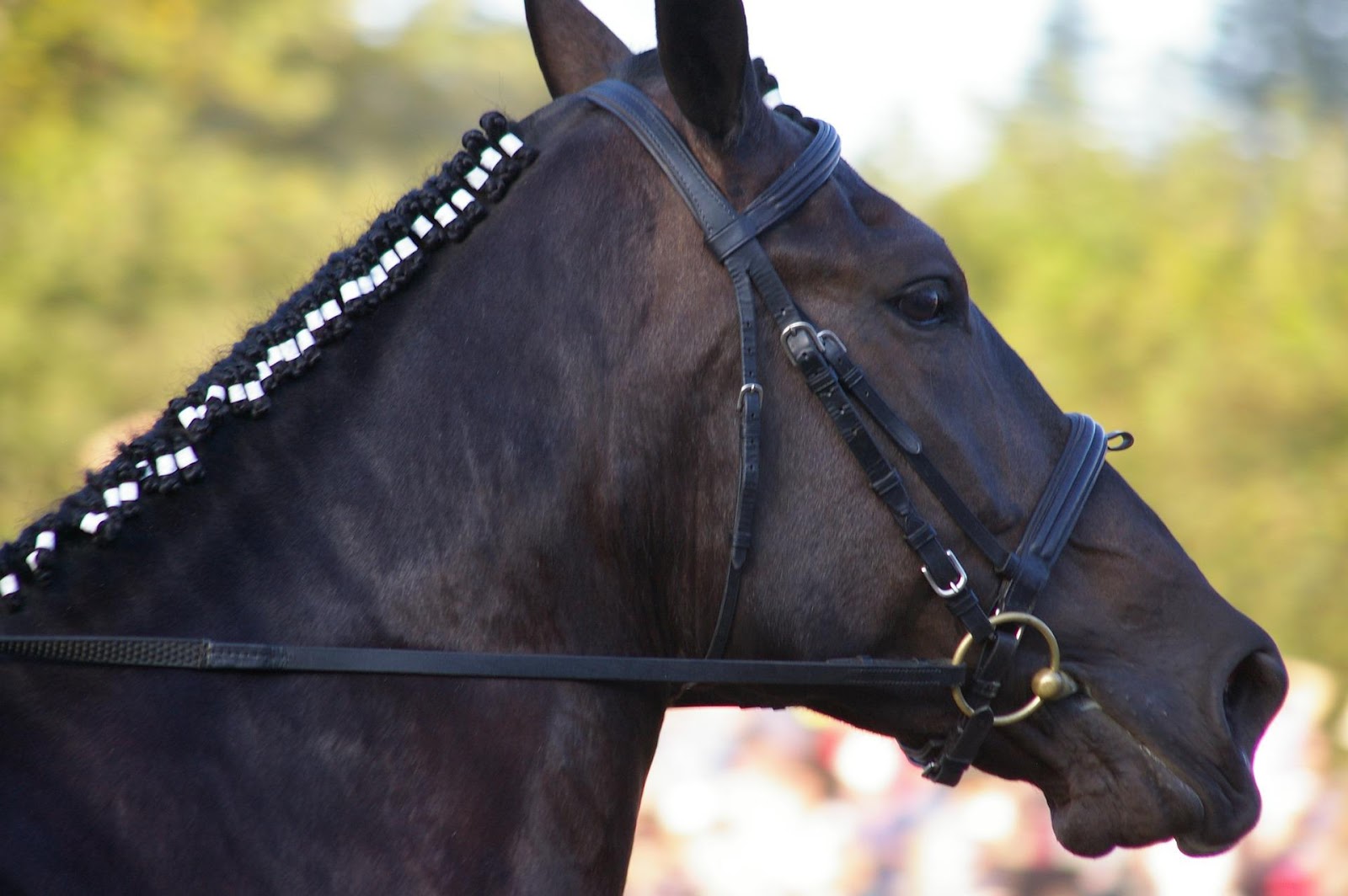
If you don’t own clippers, a pair of safety scissors are perfect for cleaning up a bridle path.
How to Clip a Horse
If you’re new to horse clipping, the best thing you can do is ask an experienced groom to show you how. There’s a lot of technique and artistry involved in a great clip, but here are a few starting pointers:
Get Your Horse and Equipment Ready
Start with a clean, dry coat. Dirt, grease, and sweat dull the blades fast and leave patchy results, so bathe or thoroughly groom your horse a day or two beforehand and make sure he's completely dry before you start. Sharp, well-oiled blades matter just as much as a clean coat; dull blades pull on the hair instead of cutting it cleanly, which is uncomfortable for the horse and gives a rougher finish. Work in a well-lit area with good footing, and if your horse has never been clipped before, let him see and hear the clippers running nearby before you touch them to his coat.
Clip in the Right Order and Direction
Most clips go against the direction of hair growth, using long, smooth strokes rather than short, choppy ones, which gives a more even finish. Start with the larger, flatter areas like the neck, shoulder, and barrel, where the horse is least likely to be sensitive, and save ticklish or bony areas like the legs, girth area, and face for last, once the horse has settled into the process. Keep the blades moving at a steady pace against the skin rather than pressing hard, and stop periodically to oil and cool the blades, since hot blades are uncomfortable for the horse and more likely to cause nicks.
Go slowly, especially the first few times, and don't be afraid to take breaks if your horse gets anxious. A clip that takes two sessions instead of one is far better than rushing and ending up with a frightened horse or an uneven result.
Conclusion
Clipping is as much a skill as it is a routine chore, and the right clip for your horse will depend on his workload, where he lives, and how he handles the process. Start simple, ask for help from an experienced groom if you can, and you'll have a system that works for both of you in no time.


