


Everything You Need to Know About Caring for the Senior Horse

There's something special about senior horses.
Whether it's the "been there, done that" attitude of a seasoned show mount, the steadfast stoicism of a high-mileage trail horse, or the no-nonsense nature of a mare who's had her share of foals – senior horses are special.
And so is the care they need to stay healthy, happy, and mobile well into their golden years. In this ode to the aged equine, we'll take a look at what this special care may include.
We'll cover health problems that may present around old age, and special nutritional, veterinary and caretaking actions you can take to make sure your senior horse gets as much out of his later years as he gave you in his younger years.
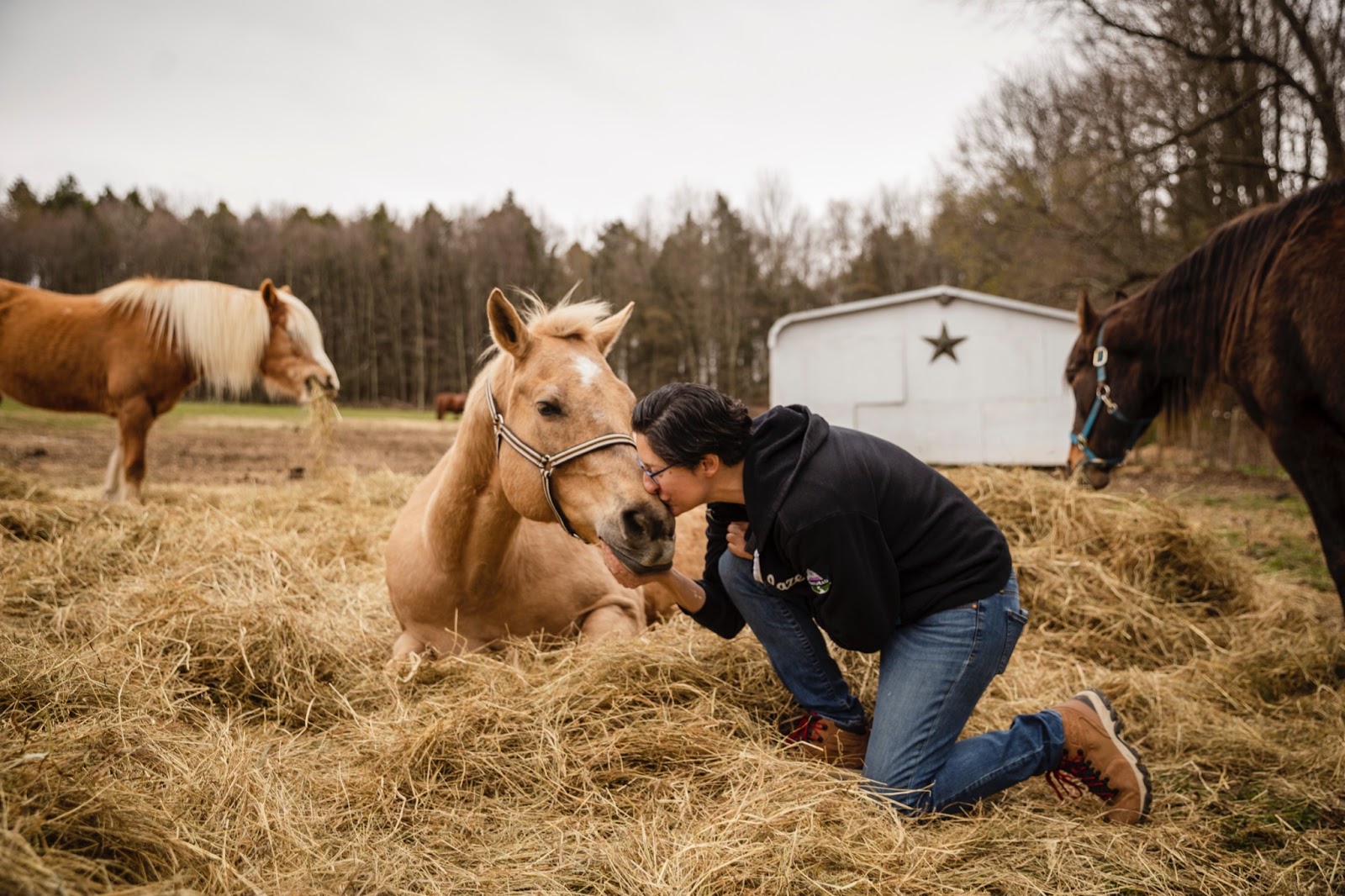
But first, let's tackle a question that even experienced horsepeople don't always agree on: what exactly is an "old" horse, anyway?
What is a Senior Horse?
What makes an "old" equine "old" is, in many cases, a matter of opinion and circumstance.
For a Thoroughbred racehorse, for instance, a 5-year-old may be considered a senior and ready for retirement. But for a school horse, 5 years is too young even to be considered by many stables.
It was once generally accepted that a "senior" horse was any horse aged 15 or over. But with advancements in veterinary medicine and care, many horses can live well into their 30s, and can still work and compete into their 20s.
Some older horses may never require a senior feed, never develop joint problems, or even require much in the way of special care. Conversely, some horses in their early teens need a special diet, supplements, joint injections, or other 'maintenance' to continue to work comfortably.
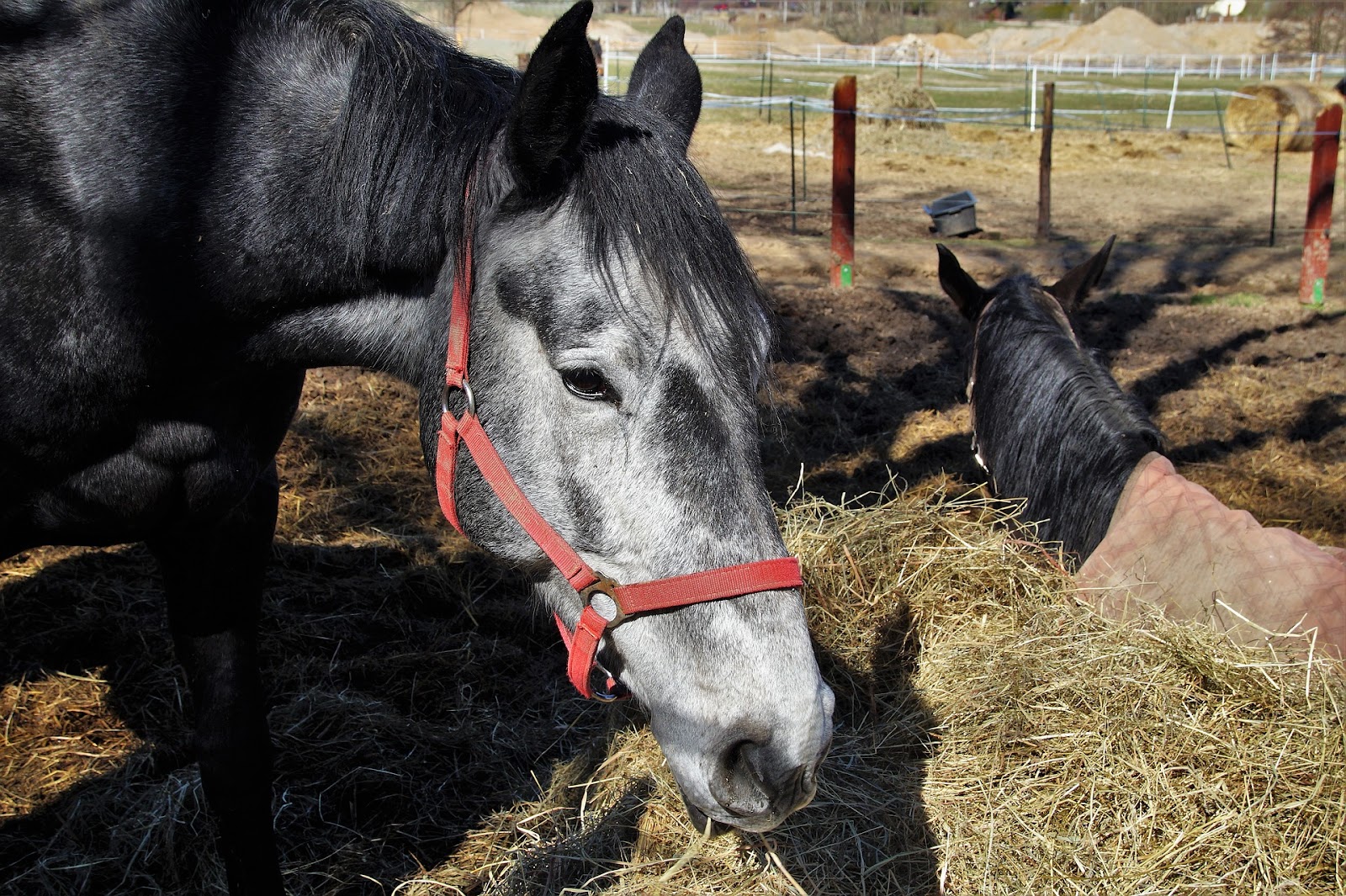
But generally speaking, it's safe to call a horse 20 years or over a "senior", especially if their body is starting to show signs of wear and tear. Let's look at some common age-related issues that horses can begin to develop in their late teens and early 20s.
Common Health Problems in Senior Horses
Lameness
Lameness is a concern for every horse owner, but for senior horses, the concern is even greater, both in terms of the frequency and type of lameness. As a horse gets older, increased or persistent (chronic) lameness will often be the first sign of aging.
While the possibility of lameness due to injury is ever-present in horses of any age, the most common cause of lameness due to aging is arthritis.
Arthritis in Senior Horses
Arthritis is, generally speaking, inflammation or swelling of the joints. There are several different types of arthritis, but the one that affects most horses is osteoarthritis – the gradual deterioration of a joint's cartilage, causing reduced range of motion, stiffness, and swelling.
Ringbone, a type of arthritis that involves additional bone growth in response to stress, is also common. There are two types of ringbone – "high ringbone" (near the top of the pastern, around the fetlock joint), and "low ringbone" (at the bottom of the pastern, near the coffin bone).
Arthritis is considered a "wear and tear" disease and will eventually affect just about any animal (humans included!) that lives and works long enough to get it, or it can start as a result of injury or trauma to a joint. Horses in hard work (like jumpers and eventers) and horses with certain conformation faults are at the greatest risk for degenerative joint problems, like arthritis.
Conformation
Horses with poor leg conformation are more likely to develop arthritis, as unbalanced legs put additional pressure on joints.
Horses who are knock-kneed (knee joints point inwards), bow-legged (knee joints point outwards), back at the knee, or forward at the knee are at greatest risk for arthritis in the knees, but arthritis can strike any joint.

Ringbone occurs exclusively in the coffin and pastern joints and typically begins to develop around middle age. Horses with upright pasterns (meaning there is little slope from the hoof to the fetlock joint) and horses who are toed-in (their front toes point inwards, or towards one another) are most likely to develop ringbone.
Signs of Arthritis in Horses
Arthritis symptoms (including ringbone) include pain, swelling, decreased range of motion, and stiffness. If your horse shows signs of discomfort, like balking, ear pinning, bucking, or rearing, he could be in pain.
A warm, swollen joint is a sure sign to call a vet. When grooming, practice running your hands down the front and back of all 4 legs, stopping to feel each joint. If a joint feels hot or swollen, suspect either an injury or arthritis.
Ringbone can be evidenced by tell-tale bumps or ridges around the pastern. These may be visible from either the front or the side, depending on the location of the ringbone.
Other signs to look for include a shortened or otherwise uneven stride or a new head nod. If your horse "just feels different" when you're riding, it's a good idea to call a vet or speak to your farrier at their next visit.
Treating Arthritis
Once arthritis has started, there's little you can do to stop it. However, you can slow it down.
The first thing to do is adjust the horse's workload. For maximum longevity, reduce or eliminate hard work like jumping and galloping. Lowering jump height, reducing or eliminating jumping, less canter or gallop work, etc. can help make work easier for an older horse.
Corrective trimming or shoeing is also important for helping a horse manage arthritis. Your farrier can use several different strategies to reduce or limit forces on the lower leg joints.
Joint supplements abound on the market and can be easily added to his grain ration. Many horse owners use supplements as a preventative measure before arthritis even develops. To find the right supplement for your horse, it's best to speak to your veterinarian for a recommendation.
For horses whose condition is advancing, joint injections are an option. Products like Legend and Adequan can be injected directly into the joint, providing relief exactly where it's needed. Beware, though – depending on where you live, these can get pricey and will require a vet visit to administer.
Alternative treatments like chiropractic and acupuncture have proven effective for decreasing the likelihood of arthritis and helping to keep an already arthritic horse more comfortable. Shockwave therapy (a non-invasive therapy that uses a small handheld device to generate and pulse pressure or "shock" waves at the site of injury to reduce inflammation and encourage blood flow) is also commonly used to treat arthritis and ringbone.
Non-steroidal anti-inflammatory medication (NSAIDS or "pain medication"), like Bute, should only be used for short-term relief. Prolonged use increases the likelihood of colic.
It can be a tough decision, but you may want to consider selling your arthritic horse to a novice or pleasure rider who can offer him an easier, less physically intense job. While some gentle exercise can be beneficial for keeping the joints moving, too much hard work will exacerbate arthritis.
Loss of Condition in Senior Horses
"Loss of condition" is a pretty general term, and it can have a ton of different causes.
In some cases, severe and sudden loss of condition can indicate a serious illness (like cancer), endocrine disorders (like PPID or Cushings), parasites (like intestinal worms), or tooth problems. In many cases, though, a gradual loss of condition is part of the aging process.
What is Loss of Condition in Older Horses?
Loss of condition refers to a general decrease in weight and muscle mass.
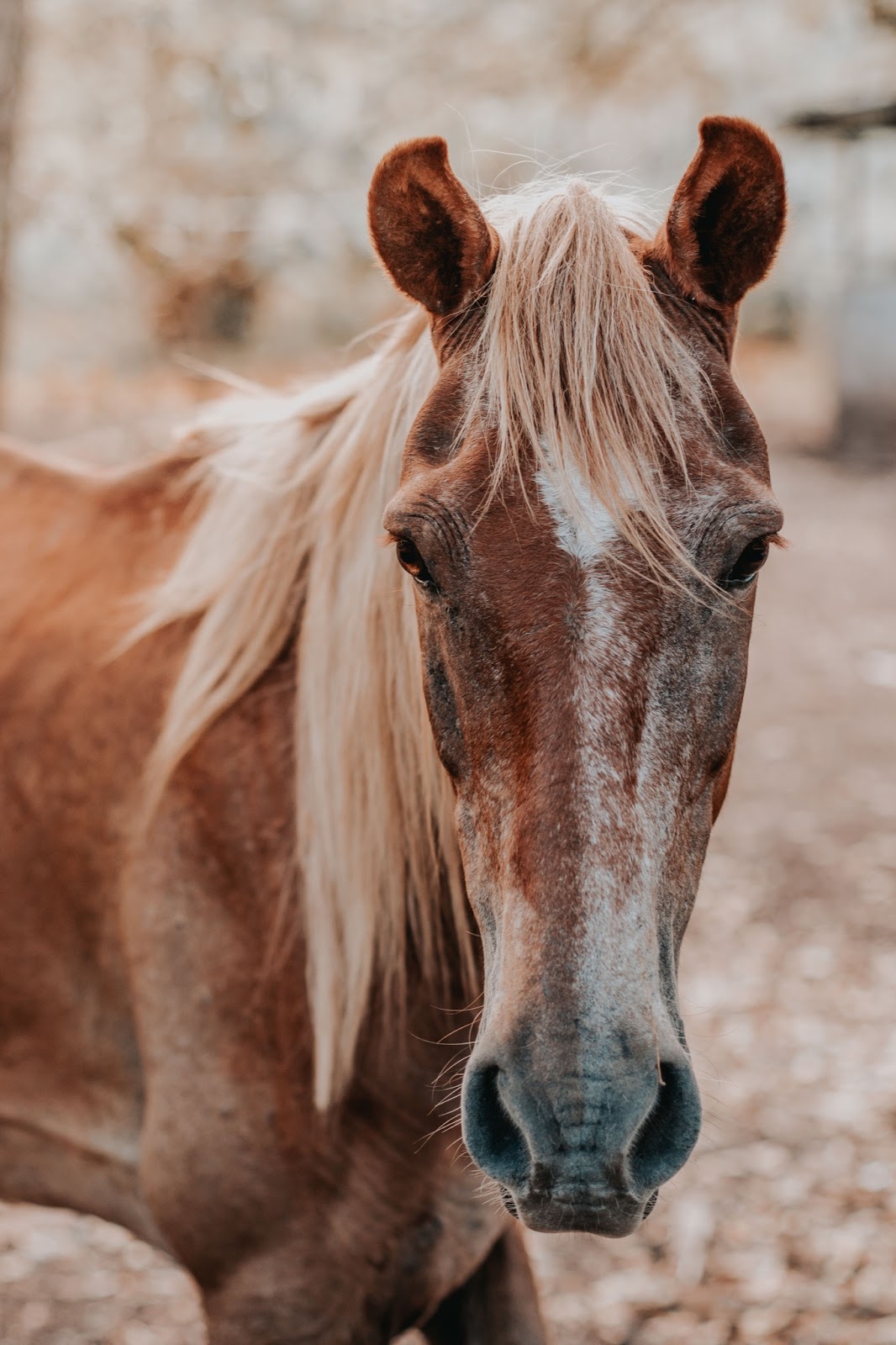
Many owners notice distinctive "hollows" start to appear above the eyes (although this can happen to some horses at any age), the withers appear more bony and less round, some ribs may become more visible, individual spinal vertebrae can be seen, hip joints become more prominent, and the croup appears more angular and less round.
If you notice your older equine gradually losing condition, it may be tempting to put more hay in front of him. While this isn't necessarily a bad idea, it's important first to rule out other, not strictly age-related causes for his decline.
Three of the most common causes for loss of condition in senior horses include dental problems, parasites, and Cushing's disease.
Dental Problems
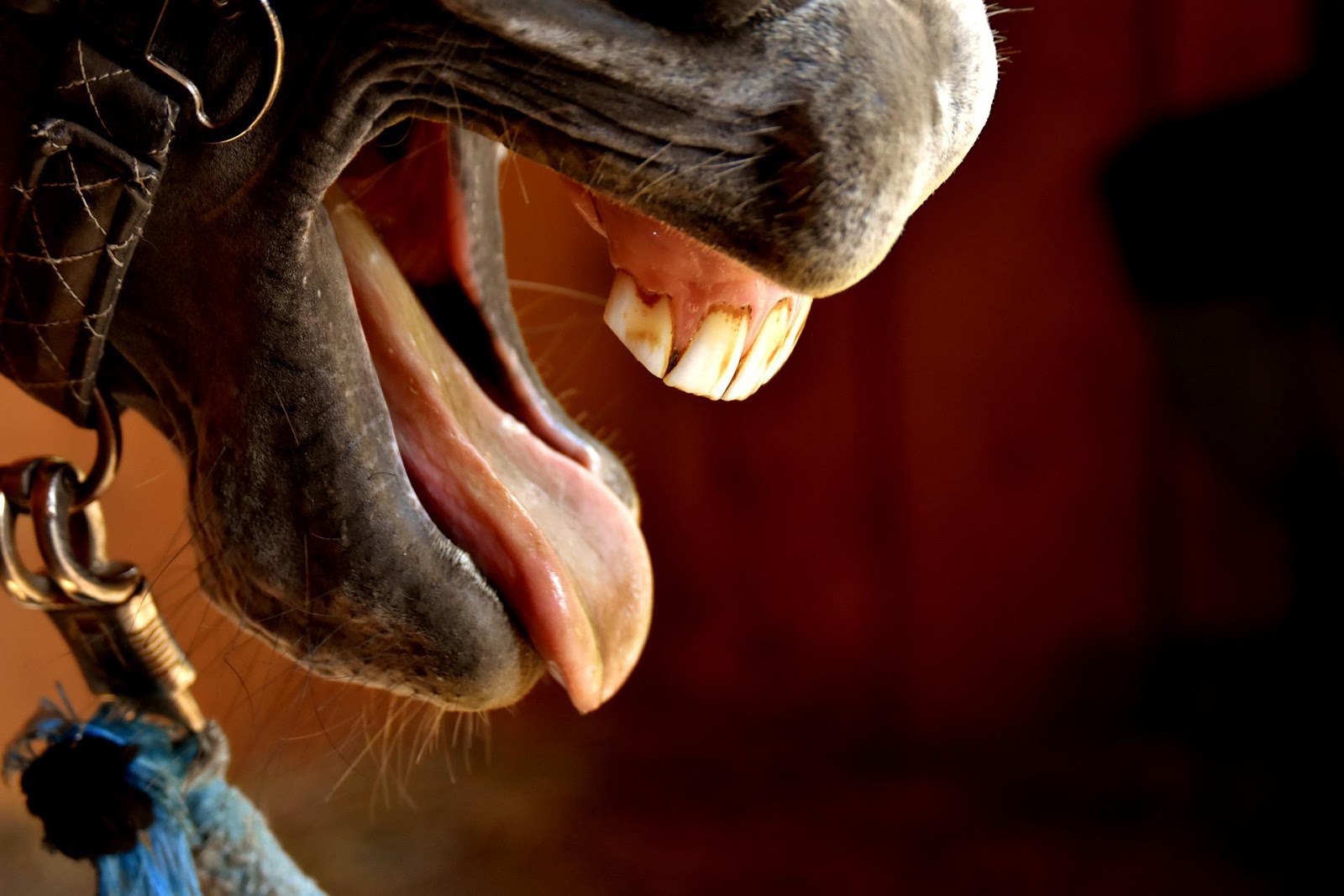
Many older horses develop dental problems as they age, like loose or missing teeth or sharp edges. Loose teeth are more susceptible to bacterial infection, which can result in pain, swelling, abscesses, and eventual tooth loss.
Horses chew in a slightly side-to-side motion. This means that over time, horses can develop sharp edges along the outer edges of their teeth. Eventually, these edges can become so sharp that they cut the horse's tongue or inside of his mouth.
If he has an infected, loose, or broken tooth, or has developed sharp edges that cut when he chews, he won't be able to eat properly and will lose condition.
Signs of Dental Problems in Horses
In the stall, you'll notice things like more leftover grain, or your normally clean horse becomes a messy eater, dropping partially chewed grain out of his feed pan. You may also notice more uneaten hay or increased hay and grain in the water bucket.
Check his manure – seeing whole grains or large pieces of hay is a sure sign that he's not fully chewing his food before swallowing.
Treating Dental Problems in Horses
Regular dental exams are the best defense against age-related tooth trouble. Most senior horses benefit from having their teeth checked and floated (filed down to remove sharp edges) at least once a year, and some need it every six months once problems start to develop.
If a tooth is already loose, infected, or broken, your vet may need to extract it. Horses can do surprisingly well with several teeth missing, as long as their diet is adjusted to compensate, usually by switching to a soaked, easier-to-chew feed like soaked hay pellets or a senior feed formulated for horses who can no longer chew long-stem hay effectively.
Parasites
Older horses are more vulnerable to internal parasites than horses in their prime, largely because a lifetime of exposure combined with a naturally slowing immune system makes it harder for them to keep worm burdens in check on their own.
A heavy parasite load interferes with digestion and nutrient absorption, so even a horse eating well can lose weight and condition if his gut is doing most of the work for a population of worms instead of for him.
Signs of Parasites in Horses
Watch for a dull, rough coat, a pot-bellied appearance paired with an otherwise thin body, diarrhea or loose manure, and lethargy. Rubbing the tail excessively against fences or stall walls can also be a sign of pinworms.
Because these signs overlap with several other conditions, the only reliable way to confirm a parasite problem is a fecal egg count done by your veterinarian.
Treating and Preventing Parasites
Deworming protocols have shifted away from blanket rotational deworming and toward targeted treatment based on fecal egg counts, since overusing dewormers has led to resistant parasite populations on many farms. Work with your vet to test your senior horse periodically and treat only when a count comes back high.
Good pasture management, like removing manure regularly and avoiding overcrowded turnout, also goes a long way toward keeping parasite loads low in the first place.
Cushing's Disease (PPID)
Pituitary Pars Intermedia Dysfunction, better known as Cushing's disease or PPID, is one of the most common endocrine disorders in older horses. It's caused by changes in a small part of the brain called the pituitary gland, which leads to an overproduction of certain hormones.
PPID is a progressive condition, meaning it gets worse over time, but with proper management, many horses with Cushing's continue to live comfortably for years after diagnosis.
Signs of Cushing's Disease in Horses
The most recognizable sign is a long, curly, or wavy coat that fails to shed properly, even in warm weather. Other signs include loss of muscle along the topline, a pot-bellied appearance, increased thirst and urination, lethargy, and a higher susceptibility to infections and laminitis.
Because these signs can develop gradually, many owners chalk them up to normal aging at first. If you notice a combination of these changes, ask your vet about testing for PPID.
Treating Cushing's Disease in Horses
There's no cure for PPID, but it's manageable with daily medication, most commonly pergolide, which helps regulate hormone production. Diet also plays a role: many horses with Cushing's do best on a lower-sugar, lower-starch diet to help reduce their risk of laminitis.
Regular veterinary monitoring, including bloodwork to track hormone levels, helps make sure the medication dose is still doing its job as the disease progresses.
Nutrition for Senior Horses
As a horse ages, his nutritional needs change, sometimes gradually and sometimes seemingly overnight. Many senior horses do fine on the same diet they've always eaten, but others need adjustments to maintain healthy weight and condition.
Senior feeds are formulated with older horses in mind: they're often easier to chew and digest, higher in fat for calorie density without excess starch and sugar, and fortified with extra vitamins and minerals that aging bodies process less efficiently. If your horse is struggling to maintain weight or has dental issues that limit what he can chew, a soaked senior feed or hay pellet can replace some or all of his long-stem hay.
Fresh, clean water and free access to salt are just as important as ever, and can become more important if your horse has Cushing's disease or kidney issues that affect his thirst and hydration.
Veterinary Care for Senior Horses
Routine veterinary care becomes even more valuable as your horse ages, since catching a problem early often makes the difference between a manageable condition and a serious one.
Most vets recommend twice-yearly wellness exams for senior horses, rather than the once-a-year visit that might suffice for a younger horse in light work. These visits typically include a dental check, bloodwork to screen for issues like PPID or kidney disease, and a general assessment of body condition and mobility.
Keep vaccinations and fecal egg counts on schedule as well. An aging immune system doesn't always respond to disease the way a younger one does, so staying current on preventive care matters more, not less, as your horse gets older.
Conclusion
There's no single formula for keeping a senior horse healthy, since so much depends on his individual history, breed, and how he's aged. But paying closer attention to his teeth, his weight, his joints, and his overall energy will help you catch small problems before they become big ones.
With the right care, many senior horses go on to enjoy years of comfortable retirement, and some even keep working and competing well past the age anyone would have expected. Give your old friend the extra attention he's earned, and he'll keep giving you good years in return.
What's your senior horse's routine look like these days? We'd love to hear about it.


